Mozambique Travel Advisory: Essential Safety, Health and Entry Information (2026)
Planning a trip to Mozambique? This comprehensive travel advisory covers everything you need to know before you go — from entry requirements and visa options to safety alerts, health risks, and practical travel tips. Staying informed is the first step toward a safe and enjoyable journey.
Overview of Mozambique
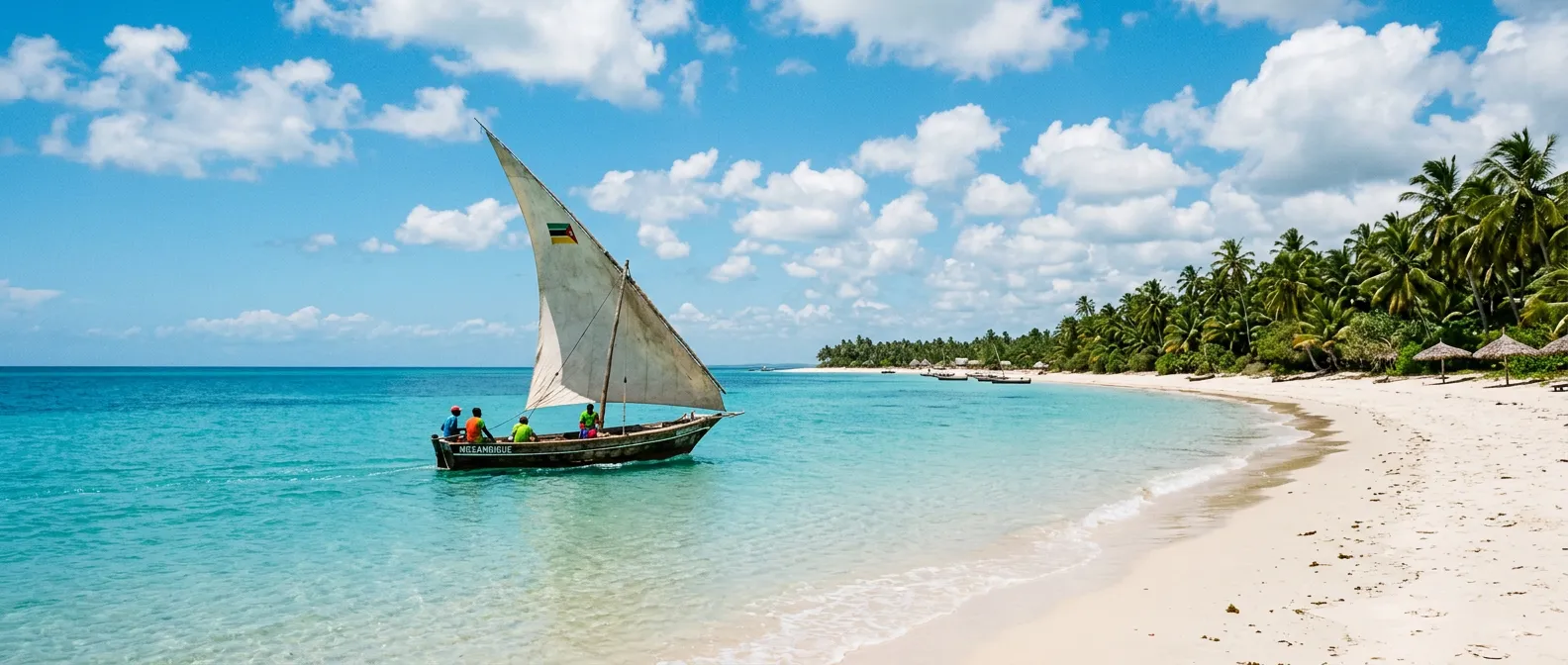
Mozambique is a southeastern African country known for its stunning Indian Ocean coastline, vibrant coral reefs, and rich cultural heritage. While the southern and central regions — including Maputo, Vilankulo, and the Bazaruto Archipelago — remain popular tourist destinations, parts of the country face ongoing security challenges. Understanding the current travel advisory situation is essential for planning your visit.
As of July 2026, multiple government agencies — including the UK FCDO, US State Department, and Australian Smart Traveller — have issued advisory notices for specific regions of Mozambique. Below, we break down each area of concern and provide practical guidance.
Current Travel Advisory Levels
Different countries assign different advisory levels to Mozambique. Here is a summary of the main advisories in effect as of July 2026:
| Country | Advisory Level | Key Concern |
|---|---|---|
| United Kingdom (FCDO) | Advise against all travel to Cabo Delgado, parts of Nampula and Niassa | Terrorism, armed insurgency |
| United States (State Dept) | Level 2 — Exercise Increased Caution | Crime, civil unrest |
| Australia (Smart Traveller) | Exercise a High Degree of Caution | Terrorism, kidnapping, crime |
| Canada | Exercise a High Degree of Caution | Terrorism, crime |
Important: Travel insurance may be voided if you travel against the advice of your government. Always check the latest advisory from your country’s foreign affairs department before departure.
Areas to Avoid
Cabo Delgado Province
FCDO advises against all travel to most of Cabo Delgado Province due to attacks by groups linked to Islamic extremism, particularly IS-Mozambique (IS-M). The insurgency has caused hundreds of deaths, including civilians and security personnel. Attacks have involved explosives, machetes, and firearms, with militants also burning vehicles, homes, and infrastructure.
Exception: Palma town and the area around Pemba and Afungi have been deemed slightly lower risk, though FCDO still advises against all but essential travel to these areas. There are no direct flights between Palma and Maputo, and road travel is strongly discouraged.
Districts affected by ongoing attacks include: Chuire, Metuge, Montepuez, Mueda, Mocimboa da Praia, Muidumbe, Nangade, Palma, Macomia, Ancuabe, Meluco, Ibo, and Quissanga.
Nampula Province — Memba and Eráti Districts
FCDO advises against all travel to the districts of Memba and Eráti in Nampula Province due to attacks by groups linked to Islamist extremism.
Niassa Province — Mecula and Marrupo Districts
FCDO advises against all travel to the Mecula and Marrupo districts of Niassa Province. There have been recent lethal attacks at hunting lodges within the Niassa Special Reserve — locations previously visited by international tourists. The Mavago district has also seen previous attacks, and the situation remains volatile.
Safety and Security
Terrorism
The main threat comes from IS-Mozambique (IS-M), a terrorist group with links to Daesh (Islamic State) primarily active in Cabo Delgado Province. The group has expanded into neighbouring districts of Niassa and Nampula Provinces.
Key points:
- Attacks could be indiscriminate, including in places frequented by foreign nationals
- Targets include roads, military bases, towns, villages, coastal islands, and safari parks
- Security forces have not always been able to respond quickly to attacks
- Stay aware of your surroundings at all times
Kidnapping
There is a significant threat of kidnapping in Mozambique, particularly in Cabo Delgado Province and neighbouring areas. Foreigners — including tourists, humanitarian workers, journalists, and business travellers — are considered legitimate targets. Kidnappings for ransom have also been reported in Maputo and Beira.
Safety measures:
- Avoid isolated locations, especially when travelling alone
- Notify family or friends of your travel plans and share your location
- Use ATMs in public places during daylight hours
- Avoid discussing financial matters with strangers
Crime
Street crime is common in Maputo and increasing in other cities and tourist destinations. Criminals may use knives and firearms.
Common crimes include:
- Pickpocketing and bag snatching
- Armed robbery and break-ins
- Carjacking (especially on roads to Zimbabwe and South Africa, and at toll booths)
- Gang attacks on restaurants and cafes after dark
Protect yourself:
- Do not walk alone at night or in deserted areas
- Do not display cash, jewellery, or mobile phones
- Keep car doors locked and windows closed at all times
- Do not pick up strangers or stop for distressed motorists
- Secure your accommodation’s windows, doors, and gates
Civil Unrest
Protests can occur at short notice and may become violent, even if initially peaceful. Road toll gates are particularly vulnerable. Access to land borders and public services can be affected.
Following the October 2024 elections, protests resulted in deaths, property destruction, and road blockades, including to and from airports. While the frequency and severity of demonstrations have decreased since early 2025, the situation remains unpredictable.
Health and Medical Information
Vaccination Requirements
- Yellow Fever: A valid yellow fever vaccination certificate is required if arriving from a country with yellow fever risk. Failure to present the certificate may result in detention and return to your country of departure.
- Polio: May be required in certain circumstances — check with your nearest Mozambican embassy.
- Recommended vaccinations: Consult a travel health clinic at least 8 weeks before departure for malaria prophylaxis, hepatitis A and B, typhoid, and other recommended vaccines.
Malaria
Malaria occurs year-round in Mozambique, particularly outside Maputo. Malaria-carrying mosquitoes are most active from dusk to dawn.
Prevention:
- Take antimalarial medication as prescribed
- Use insect repellent containing DEET
- Sleep under mosquito nets
- Wear long, loose, light-coloured clothing in the evening
Other Health Risks
- Cholera: Mozambique is currently experiencing cholera outbreaks in central and northern areas. Drink only bottled or boiled water and avoid ice in rural areas.
- Dengue and Mpox: Both are present in Mozambique. The WHO has declared the Mpox outbreak in parts of Africa a global public health emergency.
- HIV/AIDS: The rate of HIV/AIDS infection is high. Take precautions if engaging in activities that expose you to the virus.
- Waterborne diseases: Schistosomiasis, hepatitis, and tuberculosis are common. Avoid swimming in fresh water.
Medical Facilities
Medical facilities in Mozambique are limited, especially in rural and northern areas. Hospital standards are generally lower compared to Western countries. You will need to pay upfront for treatment, even with travel insurance.
Emergency medical number: 848888 or 823388 (ambulance)
In serious cases, medical evacuation to South Africa or the UK may be necessary. Ensure your travel insurance covers medical evacuation.
Entry Requirements and Visa Information
Passport Requirements
- Passport must be valid for at least 6 months after your arrival date
- You need at least 2 blank pages for entry stamps
- You must always carry your original passport — copies are not accepted at police checkpoints
Visa Options
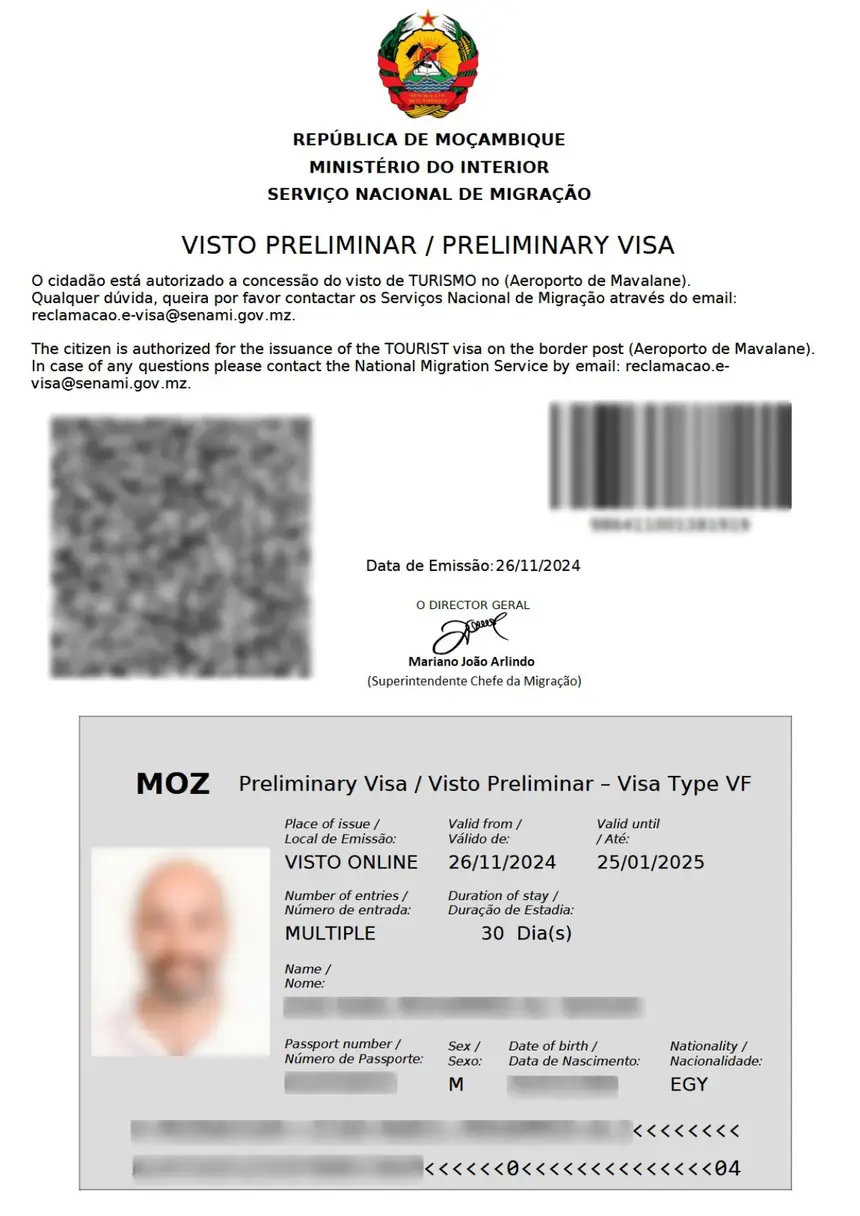
Most travellers need a visa to enter Mozambique. The country offers several options:
| Visa Type | Duration | Stay Limit | Cost (US Citizens) |
|---|---|---|---|
| Electronic Travel Authorisation (ETA) | 30 days | Up to 30 days | ~$97 |
| Tourist eVisa (60 days) | 60 days | Multiple entry | ~$545 |
| Tourist eVisa (90 days) | 90 days | Multiple entry | ~$749 |
| Visa on Arrival | 30 days | Single entry | $50 cash at border |
Visa-exempt countries (SADC members, tourism only, up to 30 days): Angola, Botswana, Eswatini, Kenya, Lesotho, Malawi, Mauritius, Namibia, Rwanda, São Tomé and Príncipe, Seychelles, South Africa, Tanzania, Uganda, Zambia, Zimbabwe.
UK citizens can travel without a visa for tourism or business for up to 30 days, but Mozambican authorities request you apply for an ETA at least 48 hours before departure through the official portal at evisa.gov.mz.
Important Entry Notes
- On arrival, you must show border control a written invitation from your host, confirmed accommodation reservation, or a return/onward air ticket
- Keep the receipt provided upon entry — you may need it when exiting
- Travellers under 18 must present an unabridged birth certificate listing both parents; if travelling with one parent or alone, a notarised parental consent affidavit (not older than 3 months) is required
- Declare cash of 10,000 Mozambican meticais or more, or foreign cash of $5,000 or more
Natural Disasters and Extreme Weather
Cyclones
Mozambique is prone to tropical cyclones from November to May, particularly in coastal areas. Cyclones can change direction and strength with little warning, causing:
- Road and bridge collapses
- Flight delays or cancellations
- Disruption to electricity, communications, and essential services
Flooding
Flooding occurs on low ground, around rivers, and in coastal areas during the rainy season (November to April). Flash floods and mudslides can block roads and highways, including in the capital, Maputo.
Preparedness
- Monitor the National Meteorological Institute (INAM) for weather updates
- Know your hotel’s evacuation procedures
- Keep emergency supplies: first aid kit, cash, water, food, medications, and fuel
- Secure your passport in a safe, waterproof place
Practical Travel Tips
Driving in Mozambique
- UK photocard licences are valid for up to 90 days; an International Driving Permit (IDP) is required after 90 days
- Drink-driving limits are stricter than in England — serious fines and imprisonment possible
- Third-party insurance is mandatory and available at most land borders
- You must carry 2 reflective triangles and wear reflective vests when repairing or loading
- Only travel by road outside major cities during daylight
- Fuel supplies can be unpredictable; check with tour operators in advance
Money
- US dollars and South African rand are the main exchange currencies
- Credit cards are increasingly accepted in larger cities; Mastercard is not always accepted
- Travellers’ cheques are not commonly accepted
- Inform your bank before using cards in Mozambique
Photography
It is illegal to photograph government buildings, airports, military establishments, residences, or officials without special permission. If in doubt, do not take pictures.
LGBTQ+ Travellers
Same-sex relationships are legal in Mozambique, but attitudes vary significantly between Maputo and rural areas. Public displays of affection are generally advised against throughout the country.
Landmines
All known minefields have been cleared, but mines may still exist in remote areas of central and southern provinces (Sofala, Tete, Manica, Gaza, Inhambane, and Maputo) away from main routes. Consult district authorities if travelling in these areas.
Emergency Contacts
| Service | Contact |
|---|---|
| Ambulance | 848888 or 823388 |
| Police | 112 or 119 |
| UK High Commission Maputo | +258 21 356 000 |
| US Embassy Maputo | +258 21 49 00 00 |
| Australian High Commission Pretoria (covers Mozambique) | +27 12 423 6000 |
Frequently Asked Questions
Do I need a visa to visit Mozambique?
Most travellers require a visa. Citizens of SADC member countries can enter visa-free for tourism up to 30 days. Many other nationalities can obtain a visa on arrival ($50), apply for an Electronic Travel Authorisation (ETA) online, or obtain an eVisa through the official portal at evisa.gov.mz. Check the latest requirements before travel.
Is Mozambique safe for tourists?
Mozambique is generally safe for tourists in the southern and central regions, including Maputo, Vilankulo, and the Bazaruto Archipelago. However, the northern provinces of Cabo Delgado, parts of Nampula, and parts of Niassa face serious security threats from armed insurgents and should be avoided. Exercise heightened caution throughout the country, especially after dark.
What is the best time to visit Mozambique?
The dry season from May to October offers the best weather for beach holidays and wildlife viewing. The wet season (November to April) brings cyclone risk and flooding, though it can be a good time for birdwatching and lower prices.
Do I need a yellow fever certificate?
You need a valid yellow fever vaccination certificate only if you are arriving from a country with yellow fever risk. Failure to present the certificate can result in detention and return to your country of departure.
What should I do in case of a cyclone?
Follow instructions from local authorities, know your hotel’s evacuation plan, identify your nearest shelter, and monitor the National Meteorological Institute (INAM). Keep emergency supplies including cash, water, food, and medications on hand.
Conclusion
Mozambique offers incredible natural beauty, rich culture, and warm hospitality. By staying informed about the current travel advisory levels, avoiding high-risk areas in the north, taking standard health precautions, and ensuring you have the correct visa and insurance, you can enjoy a safe and memorable visit. Always check the latest advisories from your government before departure, and register with your embassy or consular service for travel updates.
Ready to apply for your Mozambique visa? Visit the official eVisa portal at evisa.gov.mz to start your application today.